
A more sustainable future for the wine industry
Climate change presents an urgent challenge to the Cape wine industry, requiring a balance between economic sustainability, rural livelihoods, and environmental responsibility. A new project explores how producers adapt to these challenges and seeks sustainable solutions for the future.
· 2 min read
Research leadership
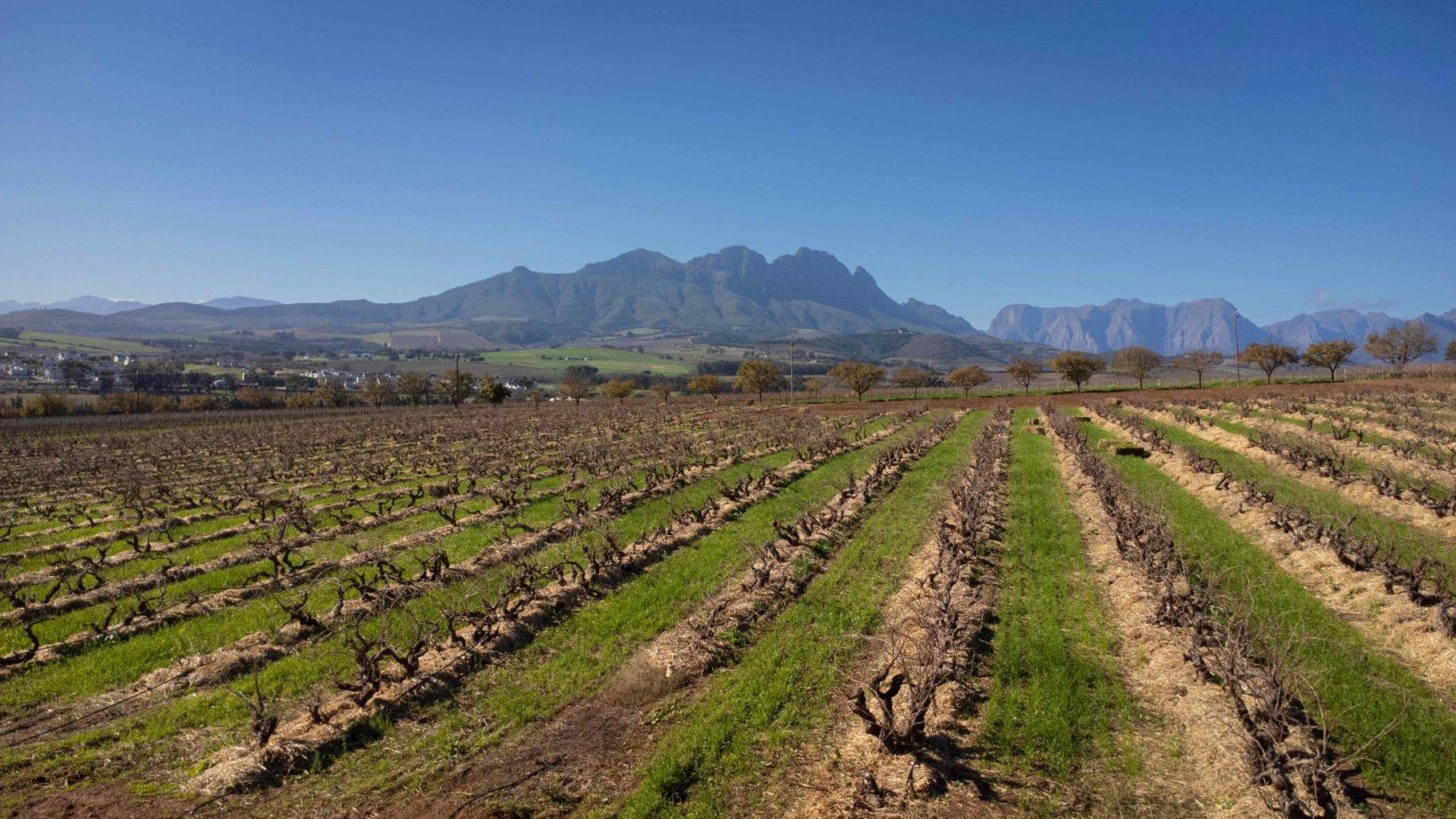
The Living Heritage, Climate Change, and Sustainability in South African Agriculture project aims to address fundamental questions about the future of South African wine in the context of worsening water scarcity, rising temperatures and unpredictable weather patterns.
The project is funded by the British Academy’s ODA Challenge-Oriented Research call on Culture, Heritage, and Climate Action, with support from the UK Government’s International Science Partnerships Fund. It is led by Principal Investigator Prof. Paul Nugent (University of Edinburgh) and Co-Investigators Prof. Cristina Trois (Stellenbosch University) and Dr Isabella Soi (University of Cagliari). South African-based organisations, including The Old Vine Project, Cultiver, and Aquila, contribute to the research process.
Climate adaptation in vineyards
A key focus is assessing how producers are experiencing and responding to climate change through a Baseline Survey of producers across the winelands. This includes adopting drought-resistant varietals, preserving old vines that require less water, and implementing innovative vineyard management techniques. These strategies enhance resilience while ensuring long-term sustainability.
Biodiversity and wine production
The Cape Floral Kingdom, a UNESCO-listed biodiversity hotspot, intersects with viticulture and wine production. The project evaluates efforts to harmonise wine production with conservation (including through conservancies and the Conservation Champions initiative), benefiting both the environment and local communities through sustainable land use and conservation-linked employment.
Sustainable wine waste management
The project also explores bio-refineries as a model for valorising wine production waste, converting organic residues into bioenergy, compost, and other useful by-products. This aligns with government sustainability goals while offering economic opportunities within the sector.
Old vine training
Old vine vineyards play a crucial role in sustainable viticulture. The project evaluates a training program in old vine pruning techniques to enhance vineyard workers’ skills, improving career prospects and preserving viticultural heritage for future generations.
International knowledge exchange
Recognising shared agricultural and climatic challenges, the project fosters collaboration between wine producers, researchers, and governments in the Cape and Sardinia. This exchange aims to develop innovative solutions and promote best practices for sustainable viticulture, whilst preparing the ground for future international collaborations.
The Living Heritage, Climate Change, and Sustainability in South African Agriculture project provides a roadmap for a more resilient wine industry by addressing climate adaptation, biodiversity conservation, waste management, workforce development, and international collaboration.
Projects such as these enable the wine sector to navigate climate challenges through innovation and knowledge-sharing, while preserving its rich heritage and environment.

More from
Markets, business and trade

A certificate is not a career
The wine industry invests in training, but how do we know whether it is making people better at their jobs? South Africa Wine’s Kachné Ross believes the answer lies in looking beyond courses and qualifications to what people can do.
Before the first sip: What your wine bottle is already saying
A wine bottle protects what is inside. It also tells a story about the brand, influences how consumers perceive value and has implications for everything from production costs to sustainability. So, how much thought should go into choosing the right glass?
Your stand is not your strategy
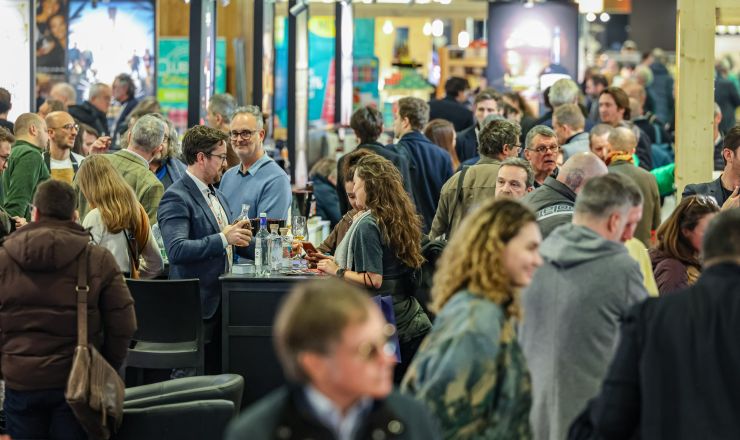
Three days, thousands of potential connections and one chance to make an impression. As South African producers prepare for Wine Paris 2027, Carolyn Martin, co-founder and marketing director of Creation Wines, shares what it takes to turn a trade exhibition into meaningful business. From choosing the right buyers to knowing which wines to pour, her advice is simple: arrive prepared, stay curious and remember that relationships matter more than business cards.